
Venice is of course the main attraction, but within a few hours’ drive from Venice, you can find many interesting places to see: we’re talking about a tour of the Dolomites…
The Dolomites
Millions and millions of years ago, the Dolomites were a vast, immense plain.
Over the centuries became a tropical sea with numerous atolls and volcanoes.
It grew in size, and then all sank into the ocean.
Until Europe and Africa collided, causing soaring, imposing mountains to emerge: the Dolomites.
The geological history
of the Dolomites began about 280 million years ago when, in the Permian era, a mountain range located on the edge of an oceanic gulf began to sink.
The Dolomite region became a large warm sea
Numerous sediments began to be deposited, to which porphyry deposits were added due to intense volcanic activity.
Starting from about 240 million years ago, many organisms, began to build reefs, atolls and small islands.
The history can be easily read in the Dolomites, the only fossil archipelago in the world.
This period was also characterized by another important phenomenon.
It affected the history of the Dolomites UNESCO World Heritage Site: the volcanism.
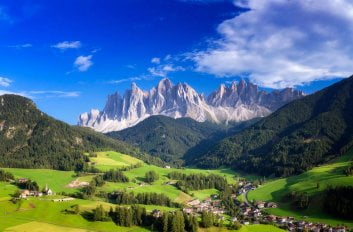
Volcanism
For a long time strong eruptions affected the area so that lava and volcanic rocks buried and modified the cliffs.
236 million years ago, in the Ladinic, the volcanoes became extinct, they were eroded.
After that, their rocks were deposited in the sea and organisms could again give birth to new reefs.
A vast coastal plain was formed.
228 million years ago, in the Noricum, the dolomitic region sank again into the sea, thus favouring the formation of carbonate deposits.
Between 210 and 190 million years ago, between the Triassic and Lower Jurassic, there was a new phase of sinking with new accumulations of marine limestone.
The Dolomites
Jurassic and Cretaceous Jurassic
Later, between the Jurassic and the Jurassic Cretaceous, therefore between 170 and 65 million years ago.
There was a massive deposit of fine limestone and marl sediments (sedimentary rock composed of clay and calcium carbonate).
At the end of the Cretaceous, these same sediments, due to the clash between Europe and Africa, began to emerge and become a mountain range.
In this period, the tectonic movements of the earth were very intense, but not in the Dolomites.
Which once again makes it clear that these mountains are truly unique and special.
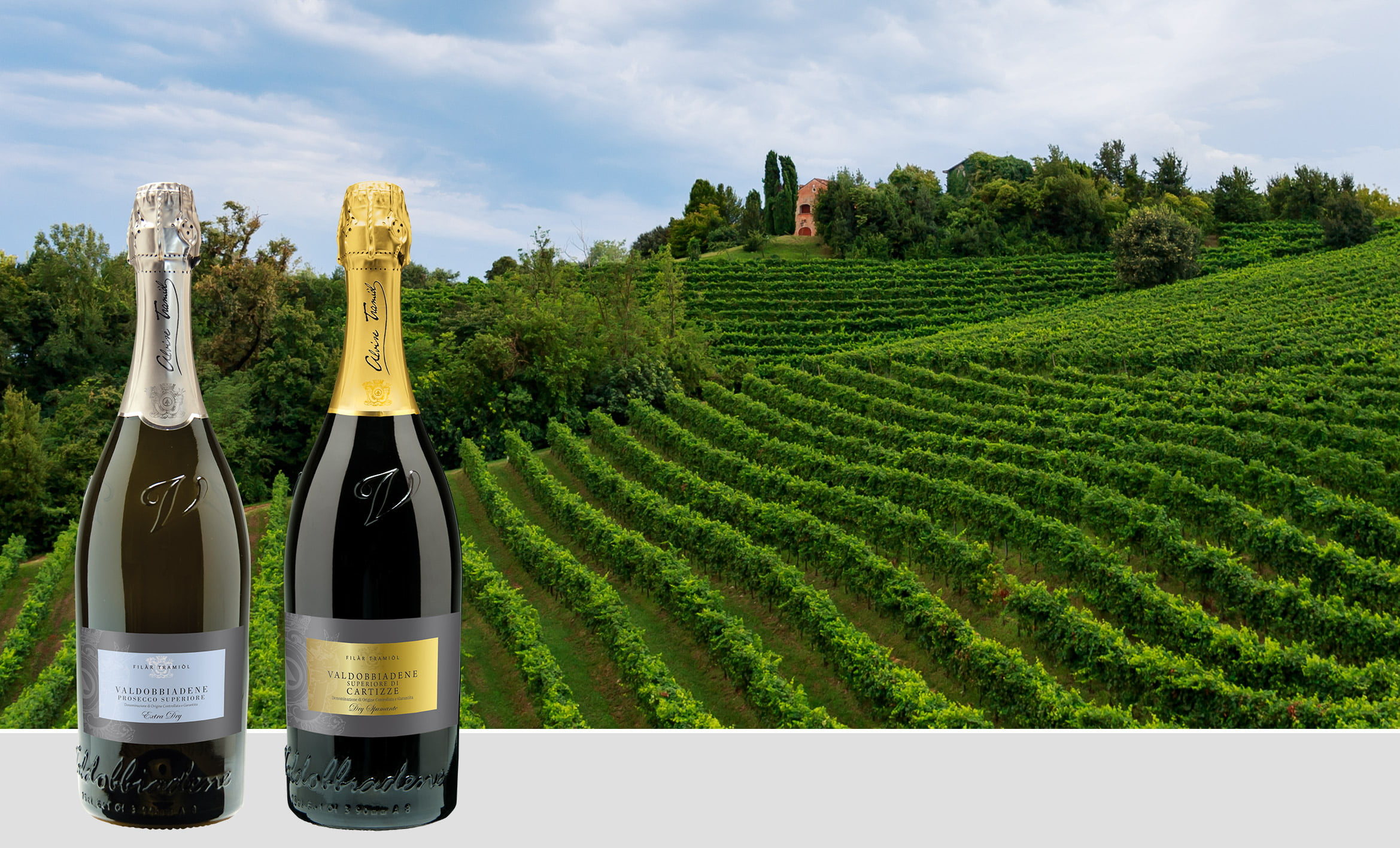
Prosecco wine
News | Venicegroupservices Generalities Prosecco is a typical

Jewish ghetto
News | Venicegroupservices Jewish Ghetto Venice The presence

Torcello island
Torcello: what to see and how to get there Island
